2,800-Year-Old Siberian Tomb Yields Earliest Evidence of Cannabis Intoxication in Ritual Sacrifice
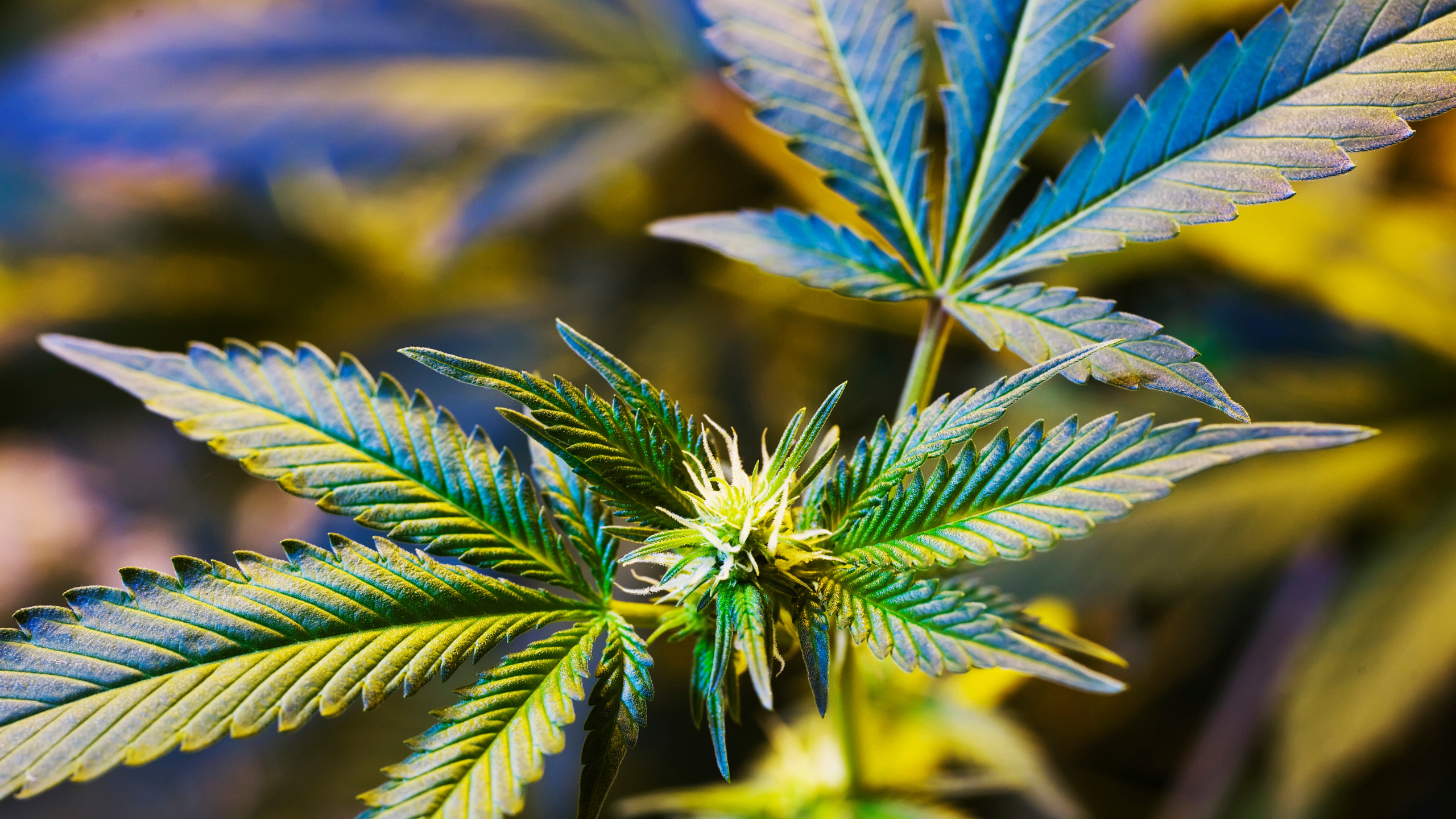
A 2,800-year-old tomb in the Siberian steppe has provided the earliest known evidence of cannabis intoxication, according to a new study. The grave, discovered in the Altai Mountains, contained the remains of a person who was likely a sacrifice, along with a set of bronze vessels and a small amount of burnt cannabis seeds. Researchers used chemical analysis to confirm the presence of THC, the psychoactive compound in cannabis, on the inner surface of the vessels. This finding pushes back the timeline for human use of cannabis for its mind-altering effects by several centuries. The tomb belongs to the Pazyryk culture, a nomadic people known for their elaborate burial rituals and use of cannabis in funerary contexts, as described by the Greek historian Herodotus. However, this discovery is significant because it predates other known Pazyryk cannabis finds by about 500 years, suggesting that the practice of cannabis inhalation during rituals has deeper roots in the region. The researchers, led by Andrey Borodovsky of the Russian Academy of Sciences, argue that the vessels were used to burn cannabis and inhale the smoke as part of a sacrificial ceremony, possibly to communicate with the dead or induce altered states of consciousness. The study, published in the journal *Science Advances*, highlights the long history of psychoactive substance use in human societies and its role in early religious practices. As archaeological techniques improve, more evidence of ancient drug use may come to light, reshaping our understanding of prehistoric rituals.